Getting started
/
Glossary
Glossary
On this page, we’ve organized the terms that frequently appear in the Mori Developer Center.
Understanding the exact meaning of each term will make it much easier to integrate and use the API.
Application
This refers to the customer’s service that intends to apply the AI-training-prevention feature in other words, the app that will be integrated.
In this documentation, we simply call it the ‘app’ or ‘application.’
Access Token
This token is issued after authentication is completed via the OAuth 2.0 flow.
You must use this token to call the API — it ensures that only authenticated users can access the Mori API.
When making API requests, you must include this token in the request header.
API
An API is a defined communication rule that allows the Mori service and the customer’s app to exchange data.
Through this rule, the two systems can communicate with each other.
API Domain
To test or use Mori’s API in a production environment, you need to know the server address (API_DOMAIN).
For example, the production domain is as follows:
{{PRODUCTION API_DOMAIN}}
https://morimori.app
Webhooks
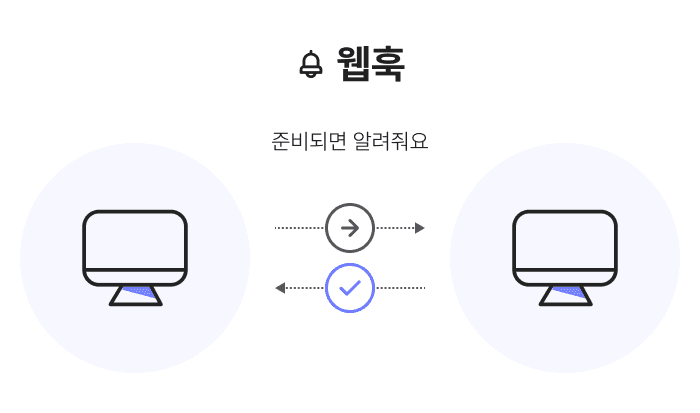
A webhook is a mechanism that automatically notifies the customer’s app when an event occurs on the server.
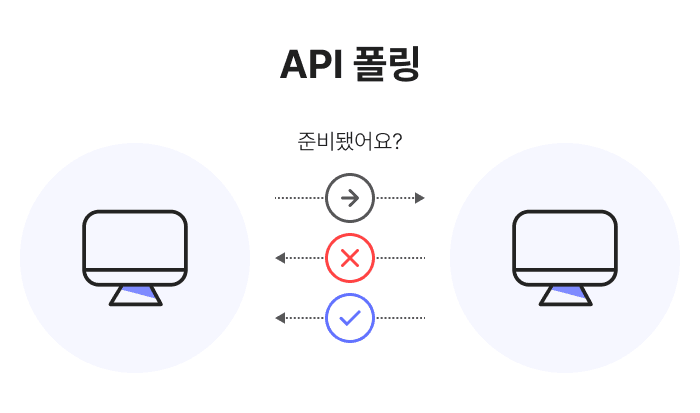
While APIs typically work in a polling model — where the client repeatedly checks the server — webhooks operate like push notifications, where the server proactively sends updates to the client.
For example, if someone uploads a file, you can receive that information immediately through a webhook.
This enables real-time processing and reduces unnecessary API calls.
Idempotency
Idempotency refers to the property where sending the same request multiple times does not change the result.
For example, if a network issue causes a request to fail and you need to retry it, idempotency ensures that even if the same request is sent again, it is processed exactly once without duplication.
APIs with this property are more stable and help prevent unexpected errors or duplicate processing.
Some of Mori’s APIs also support idempotency.
Getting started
/
Glossary
Glossary
On this page, we’ve organized the terms that frequently appear in the Mori Developer Center.
Understanding the exact meaning of each term will make it much easier to integrate and use the API.
Application
This refers to the customer’s service that intends to apply the AI-training-prevention feature in other words, the app that will be integrated.
In this documentation, we simply call it the ‘app’ or ‘application.’
Access Token
This token is issued after authentication is completed via the OAuth 2.0 flow.
You must use this token to call the API — it ensures that only authenticated users can access the Mori API.
When making API requests, you must include this token in the request header.
API
An API is a defined communication rule that allows the Mori service and the customer’s app to exchange data.
Through this rule, the two systems can communicate with each other.
API Domain
To test or use Mori’s API in a production environment, you need to know the server address (API_DOMAIN).
For example, the production domain is as follows:
{{PRODUCTION API_DOMAIN}}
https://morimori.app
Webhooks
A webhook is a mechanism that automatically notifies the customer’s app when an event occurs on the server.
While APIs typically work in a polling model — where the client repeatedly checks the server — webhooks operate like push notifications, where the server proactively sends updates to the client.
For example, if someone uploads a file, you can receive that information immediately through a webhook.
This enables real-time processing and reduces unnecessary API calls.
Idempotency
Idempotency refers to the property where sending the same request multiple times does not change the result.
For example, if a network issue causes a request to fail and you need to retry it, idempotency ensures that even if the same request is sent again, it is processed exactly once without duplication.
APIs with this property are more stable and help prevent unexpected errors or duplicate processing.
Some of Mori’s APIs also support idempotency.
Integration Guide